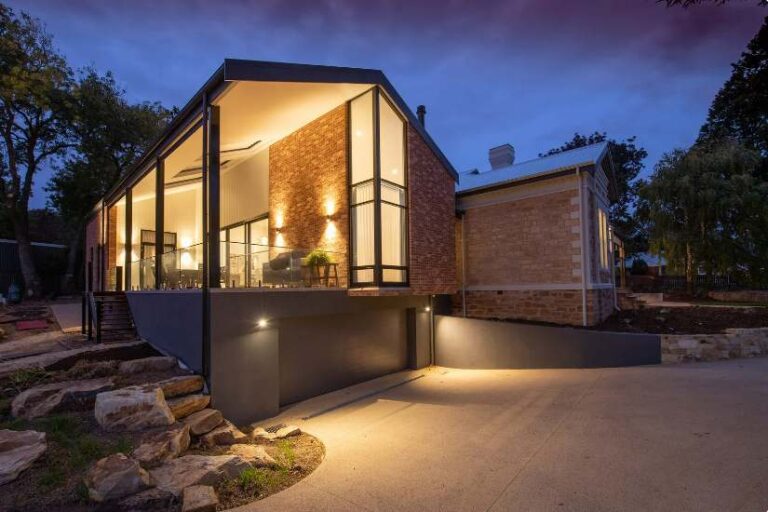
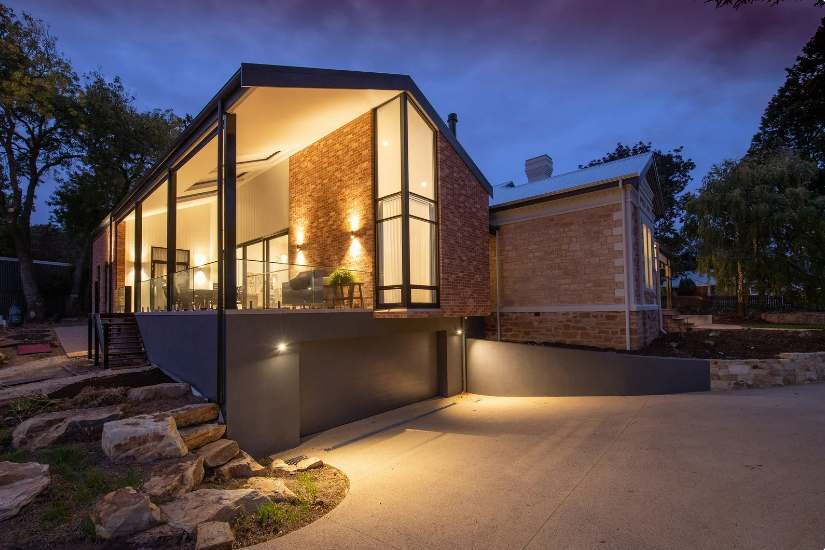
Stone facades transform a plain exterior into lasting curb appeal while adding a practical layer of protection against weather and moisture. You’ll learn what a stone facade does, how different types compare, and what to expect during installation and upkeep so you can decide whether it fits your project and budget.
This post breaks down real options—from natural stone to manufactured, mortarless panel systems—and explains performance differences like drainage, durability, and maintenance. Follow along to get clear, actionable information that helps you choose materials, plan installation, and keep your facade looking its best.
Understanding Stone Facade
You’ll learn what a stone facade is, the common stone types used, how veneer differs from full-thickness natural stone, and the primary benefits that affect design, cost, and performance.
What Is a Stone Facade?
A stone facade is the exterior cladding of a building composed primarily of stone units fixed to the backup wall or supporting structure.
It can be load-bearing—where the stone carries structural loads—or non-load-bearing, where stone serves as a protective and aesthetic outer skin attached to a substrate.
Key components you should recognize: the stone units (panels, slabs, or blocks), mechanical anchors or mortar, a backup wall (concrete, masonry, or framed), and a drainage or ventilation cavity when required.
Proper detailing for anchorage, thermal movement, and moisture management determines long-term durability.
Popular Types of Stone Facades
Granite, limestone, marble, travertine, and sandstone are the most commonly used stones for facades.
Granite offers high strength and abrasion resistance; limestone and sandstone provide workable surfaces and warm tones; marble gives a refined appearance but requires protection from acid rain and staining.
You’ll choose finishes—polished, honed, flamed, or rough—based on aesthetics and slip or weathering concerns.
Panel sizes vary from small modular units to large-format slabs; larger panels require stronger anchorage and more careful handling during installation.
Stone Veneer vs. Natural Stone
Stone veneer is a thin manufactured or natural stone facing, typically 1–2 inches thick, designed to reduce weight and cost.
Natural full-thickness stone ranges from several inches to blocks that may be structural; it adds mass, thermal inertia, and often higher material and installation costs.
Veneer attaches with adhesives, mortar, or mechanical clips and usually needs a substrate and drainage plane.
Full-thickness stone may require structural support, different anchoring systems, and thicker backup walls; choose based on budget, weight limits, and desired longevity.
Key Benefits of Stone Facades
Durability: natural stone resists weathering, UV exposure, and abrasion better than many alternative cladding materials.
Low maintenance: you typically need periodic cleaning and joint inspection rather than frequent repainting or replacement.
Thermal and acoustic performance: thicker stone and ventilated cavities improve thermal mass and reduce sound transmission.
Aesthetic and resale value: stone offers stable, high-end appearance and can increase perceived property value when specified and executed correctly.
Sustainability factors: select locally quarried stone and specify mechanical anchors to minimize waste and embodied carbon where possible.
Stone Facade Installation and Maintenance
You will need correct substrate preparation, proper anchoring or mortar systems, and a routine cleaning and inspection schedule. Focus on correct material selection, moisture control, and fixing methods to prevent common failures.
Installation Process Overview
Start by selecting the facade type: full-bed natural stone, thin veneer, or manufactured stone. Each requires different backing, fasteners, and mortar; thin veneers often use a metal lath and scratch coat, while full-bed stone requires heavier support and through-anchors.
Establish a drainage plane and flashing at all openings before attaching the stone. Install continuous flashing at sills and terminations, and provide a ventilated cavity or weep paths where a rainscreen is specified.
Set stones with the specified mortar bed or mechanical anchors per manufacturer and code. Control joints, expansion joints, and proper bond patterns reduce cracking and stress. Verify anchor spacing, embedment depth, and use corrosion-resistant fasteners for your climate.
Follow manufacturer details for substrate reinforcement and substrate deflection limits. Inspect each course for level and alignment. Record installation tolerances and keep a mock-up or sample wall for final approval.
Preparing the Surface for Stone Facade
Assess the substrate for structural soundness, straightness, and moisture. Remove loose material, repair cracks, and ensure the substrate meets the manufacturer’s flatness and deflection limits.
Apply a weather-resistive barrier where required, and install metal lath or cement board per the system. Tie the barrier into flashing at windows, doors, and rooflines to maintain the drainage plane.
Install stainless steel or galvanized anchors and fasteners sized to the facade weight and wind loads. Pre-plan anchor locations to avoid hidden utilities and to align with mortar joints for neat appearance.
Ensure substrates are clean and dampened where mortar adhesion is critical. Follow manufacturer curing and setting times before applying finishes or sealers.
Longevity and Durability Factors
Moisture control ranks highest for long-term performance. Continuous flashing, properly detailed joints, and a ventilated cavity prevent water retention that causes freeze-thaw damage and biological growth.
Stone type and finish affect weathering and staining; dense igneous stones resist water better than porous limestones. Match sealers and cleaning methods to the stone’s porosity and mineralogy to avoid surface damage.
Fastener corrosion and substrate movement are common failure modes. Use stainless steel anchors, allow for thermal expansion with movement joints, and restrict substrate deflection within recommended limits.
Quality of installation directly affects lifespan. Proper mortar mix, joint tooling, and verified anchorage will reduce crack propagation and dislodgement. Keep documented installation records for warranty and future repairs.
Care and Cleaning Tips
Inspect your facade twice yearly and after major storms. Look for loose units, cracked mortar, rusty stains from corroding anchors, and blocked weep holes.
Clean using low-pressure water and soft brushes for most stones; avoid acid cleaners on calcareous stones. For biological growth, apply a biocide recommended for natural stone and rinse thoroughly.
Repoint deteriorated mortar with a compatible mortar mix; test small patches to match color and hardness. Replace corroded anchors rather than relying on surface repairs.
Apply breathable sealers only when appropriate and per manufacturer guidance. Avoid film-forming sealers on surfaces that must expel moisture.
About the Author