
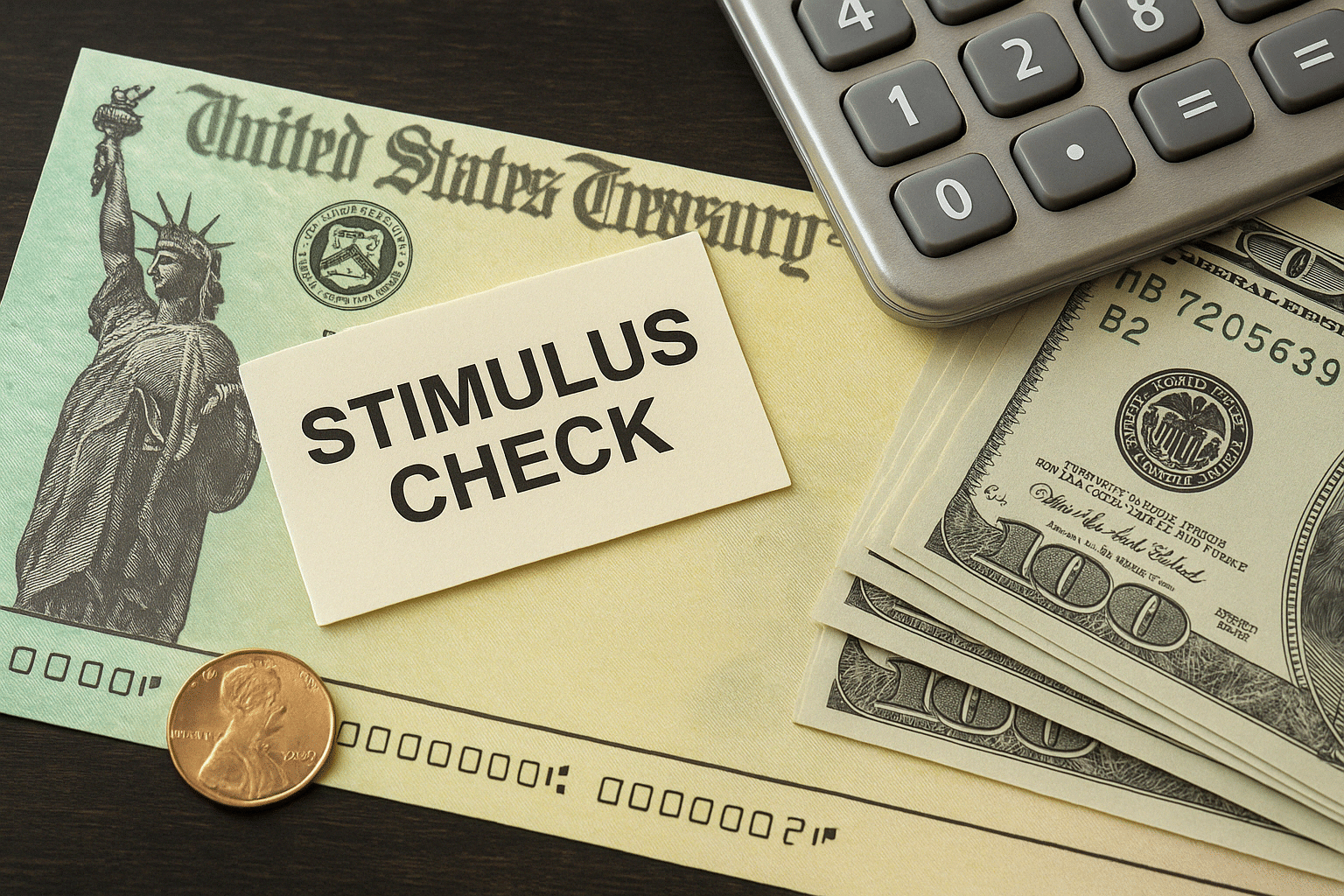
Stimulus assistance has become a crucial financial lifeline for individuals, families, and businesses during times of economic uncertainty. Whether caused by global crises, recessions, natural disasters, or inflationary pressures, stimulus assistance programs are designed to stabilize economies and support those most affected. In this comprehensive guide, we’ll explore what stimulus assistance is, how it works, who qualifies, and why it plays a vital role in economic recovery.
What Is Stimulus Assistance?
Stimulus assistance refers to financial aid provided by governments or institutions to boost economic activity and help individuals and businesses manage financial hardship. This assistance can come in many forms, including direct payments, tax credits, unemployment benefits, grants, and low-interest loans.
The primary goal of stimulus assistance is to stimulate spending, reduce unemployment, and prevent economic slowdowns from turning into long-term recessions or depressions. By injecting money into the economy, governments encourage consumer spending, business investment, and overall financial stability.
Types of Stimulus Assistance Programs
Stimulus assistance programs vary depending on the economic situation and policy objectives. Below are the most common types:
Direct stimulus payments are cash deposits or checks sent directly to eligible individuals or households. These payments help cover essential expenses such as rent, food, utilities, and healthcare.
Unemployment Benefits
Enhanced unemployment assistance provides financial support to individuals who have lost their jobs or experienced reduced income. This may include extended benefit periods or increased weekly payments.
Tax Credits and Rebates
Governments often use refundable tax credits as a form of stimulus assistance. These credits reduce tax liability or provide refunds even if no taxes are owed.
Small Business Relief
Small businesses may receive grants, forgivable loans, or payroll assistance to maintain operations, pay employees, and avoid permanent closure.
Housing and Utility Assistance
Stimulus programs may also cover rent relief, mortgage forbearance, or utility bill assistance to prevent evictions and service shutoffs.
Who Qualifies for Stimulus Assistance?
Eligibility for stimulus assistance depends on specific program guidelines. Common qualifying factors include:
- Income level
- Employment status
- Household size
- Business revenue and employee count
- Residency or citizenship status
Some programs are universal, while others are targeted toward low-income households, unemployed workers, seniors, or small business owners. It’s important to review eligibility criteria carefully to ensure compliance and maximize benefits.
How Stimulus Assistance Helps the Economy
Stimulus assistance does more than help individuals—it plays a key role in economic recovery. Here’s how:
Boosts Consumer Spending
When people receive financial assistance, they are more likely to spend on goods and services. This increased demand helps businesses stay afloat and retain employees.
Reduces Financial Stress
Stimulus assistance helps households manage debt, pay essential bills, and avoid financial crises such as eviction or bankruptcy.
Supports Job Creation
By assisting businesses with payroll and operating costs, stimulus programs help prevent layoffs and encourage hiring as conditions improve.
Prevents Economic Collapse
Large-scale stimulus assistance can stabilize financial markets and prevent widespread economic downturns.
Common Misconceptions About Stimulus Assistance
Despite its benefits, stimulus assistance is often misunderstood. Let’s clear up some common myths:
“Stimulus assistance discourages work.”
In reality, most programs are designed as temporary relief during extraordinary circumstances, not long-term income replacements.
“Only unemployed people benefit.”
Many stimulus programs assist working individuals, families, and businesses—not just the unemployed.
“Stimulus assistance causes inflation by default.”
While inflation can be influenced by many factors, stimulus assistance alone is not always the primary cause and is often carefully structured to balance economic needs.
How to Apply for Stimulus Assistance
The application process varies depending on the type of program and jurisdiction. Common steps include:
Gathering required documents such as tax returns or proof of income
Completing online or paper applications through official government portals
Monitoring application status and responding to requests for additional information
To avoid scams, always apply through verified government or institutional websites and never pay a fee to access stimulus assistance.
Long-Term Impact of Stimulus Assistance
Beyond immediate relief, stimulus assistance can have lasting positive effects. It can reduce poverty levels, stabilize housing markets, strengthen small businesses, and improve overall economic resilience. When designed and implemented effectively, stimulus programs help economies recover faster and prepare for future challenges.
However, policymakers must balance short-term relief with long-term fiscal responsibility. Transparency, accountability, and data-driven decision-making are essential to ensure stimulus assistance achieves its intended goals.
About the Author