
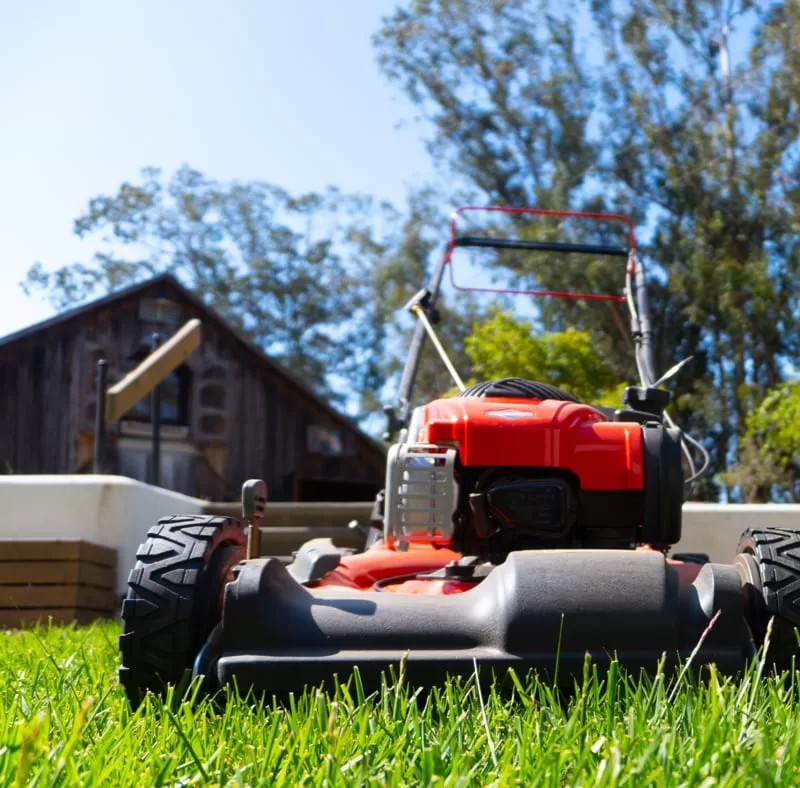
You want a lawn in Mississauga that looks healthy through spring thaw, humid summers, and freeze-thaw cycles. Focus on regular mowing, seasonal fertilization, and timely weed and pest control tailored to Mississauga’s climate to keep your turf strong and attractive.
This post Mississauga Lawn Maintenance explains which maintenance services matter most, how local conditions affect scheduling and product choices, and what to prioritize to save time and money while improving curb appeal.
Expect practical guidance on service options, common local challenges, and easy steps you can take this season to protect and strengthen your lawn.
Essential Lawn Maintenance Services in Mississauga
These services focus on keeping your lawn mowed to the right height, fed with the proper nutrients, free of invasive weeds and pests, and cleared of seasonal debris. Each task uses specific timing and techniques suited to Mississauga’s climate and common turf types.
Routine Grass Cutting
Mow your lawn weekly during peak growth (late spring through early fall) and every 10–14 days in cooler months. Keep cool-season grasses like Kentucky bluegrass and perennial ryegrass at 2.5–3.5 inches; raise height during heat spells to reduce stress.
Use the one-third rule: never remove more than one-third of blade length in one cut to preserve root health. Alternate mowing patterns each visit to prevent soil compaction and ruts.
Edge and trim hard-to-reach areas after mowing for a uniform appearance. Collect clippings if your lawn has disease or weed seed; otherwise, leave clippings to return nutrients.
Fertilization Strategies
Base your fertilizer plan on a soil test to determine pH and nutrient levels; a test every 2–3 years provides actionable data. Apply a slow-release, nitrogen-focused fertilizer in early spring and late summer to support root development and recovery.
Include a balanced application of phosphorus and potassium only if tests show deficiencies; avoid routine phosphorus use in established lawns unless needed. Time one lighter feeding in late fall with a fertilizer high in potassium to improve cold tolerance.
Follow label rates precisely and water after application to move nutrients into the root zone. Consider professional granular or liquid programs if you prefer scheduled, calibrated feedings.
Weed and Pest Management
Scout your lawn monthly for broadleaf weeds (dandelion, clover) and grassy weeds (crabgrass) so you can treat early. Use selective herbicides in spring for broadleaf control and pre-emergent herbicides in early spring (before soil warms) to block crabgrass.
Identify pests—grubs, sod webworms—by brown patches, spongy turf, or increased bird activity. Treat grub infestations with targeted insecticides in late summer when larvae are active near roots, or use milky spore/biological options where available.
Combine cultural controls—proper mowing, fertilization, and watering—to reduce weed and pest susceptibility. Always follow product label instructions and consider a licensed applicator for commercial-strength pesticides.
Seasonal Lawn Clean-Ups
Perform a spring clean-up as soon as the snow melts and the ground dries: remove dead leaves, thatch clumps, and winter debris to improve air and water movement. Power-rake or use a dethatcher only if thatch exceeds 0.5 inches; excessive dethatching can damage crowns.
In fall, clear leaves regularly to prevent smothering and fungal issues; finish the season with a final mow at a slightly lower height and a late-fall fertilizer to strengthen roots.
Address lawn repair after clean-ups: overseed bare areas in early fall for best germination, use a starter fertilizer for new seed, and keep new seed consistently moist until established.
Key Considerations for Healthy Lawns in Mississauga
Focus on grass species suited to cool-season climates, maintain soil structure and nutrients through testing and amendments, and apply water efficiently to match seasonal needs and local restrictions.
Selecting the Right Grass Types
Choose cool-season grasses that tolerate Mississauga’s cold winters and warm, humid summers. Kentucky bluegrass, perennial ryegrass, and fine fescue blends perform well: Kentucky bluegrass gives dense turf and good recovery; perennial ryegrass establishes fast and resists wear; fine fescues tolerate shade and low fertility.
Match seed mixes to sun exposure and use: high-traffic yards need more perennial ryegrass and bluegrass, while shady areas benefit from mixes with 50–70% fine fescue. For overseeding, seed at recommended rates (e.g., 2–4 kg/100 m²) in early fall when soil temperatures are still above 10°C for best germination.
Buy certified seed with listed varieties and weed-free labels. Note disease and pest resistance ratings on the package and avoid warm-season grasses like Bermuda or zoysia—they won’t reliably survive local winters.
Soil Health and Testing
Test your soil every 2–3 years to measure pH, phosphorus, potassium, and organic matter. Mississauga lawns often need lime to adjust acidic soils or sulfur to lower pH; aim for a pH of 6.0–7.0 for most cool-season grasses.
Collect a composite sample from 10–15 locations across the lawn, 0–15 cm deep. Send it to a provincial lab or extension service for accurate results and follow the lab’s fertilizer and amendment recommendations rather than guessing.
Improve structure with core aeration in fall and add 5–10 mm of screened compost when topdressing compacted areas. Correct nutrient deficiencies using slow-release granular fertilizers timed for early fall and late spring based on the soil test, not on a fixed calendar.
Proper Irrigation Practices
Water deeply and infrequently to encourage deep roots: aim for 25–30 mm of water per week during the growing season, including rainfall. Apply water early in the morning (before 9 a.m.) to reduce evaporation and disease risk.
Use a rain gauge or smart irrigation controller to measure actual application. Adjust frequency by season—less in spring and fall, more in July–August heat—but avoid daily shallow watering, which favors shallow roots and weeds.
Repair leaks and check sprinkler uniformity; replace or adjust nozzles that produce uneven coverage. If local outdoor water restrictions apply, prioritize watering high-use areas and newly seeded or sodded patches to ensure establishment.
About the Author