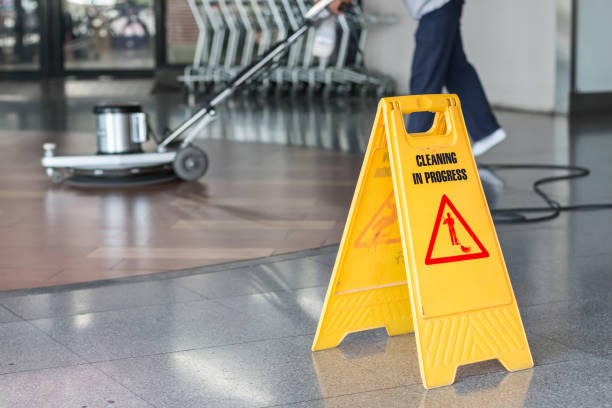
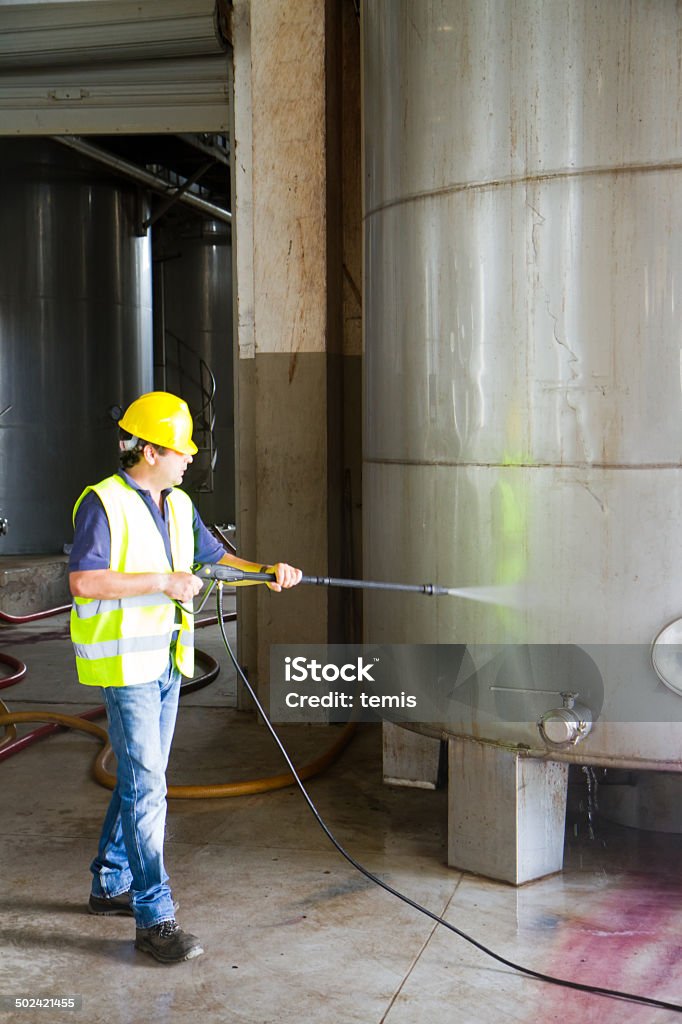
man washing around the industrial site
When your cleaning jobs go beyond what regular equipment can handle, it’s time to bring in something built for the real work. Industrial pressure washers are one of the most relied-upon tools for businesses and commercial operators who deal with serious grime every day. From stripping oil off concrete to blasting mud off heavy machinery, these machines get the job done fast.
We have top picks, important features, and easy to maintain tips in this blog to make sure you can get the correct machine to meet your needs. Let’s get into it.
What Is an Industrial Pressure Washer
Operating a business facility or industrial work place implies a totally different scale of mess. We are talking grease that is thickly baked onto concrete floors, mud that will be all over heavy equipment, oil stains that take months to be removed in parking lots, and grease that scoffs ordinary cleaning equipment. You know what happens to that story by now, should you ever attempt to use a regular hose, or a home washer, in getting at that sort of dirty stuff.
Industrial pressure washers exist for exactly this reason. They’re not your weekend car-wash machines — they’re heavy-duty workhorses built to handle real, demanding cleaning jobs day after day. Warehouses, construction sites, factories, loading docks — these machines feel right at home in all of those places.
And as long as your business happens to be in Bergen County, then this guide is particularly your business. It is not a choice to have the appropriate cleaning equipment on your side, between the severe winter conditions, sloshing workplaces, and the overall needs of business, it is merely a part of operating the business well. Ok, we will take you through all you should know to make a decision.
What Makes a Pressure Washer “Industrial”
Here’s the thing — not every machine that calls itself “industrial” actually earns that title. So let’s break down what really separates a true industrial unit from something you’d find at a big box store.
Power is the obvious starting point. Industrial pressure washers run at way higher PSI and GPM than your typical home models. PSI — pounds per square inch — is basically how hard the water smacks the surface. GPM — gallons per minute — tells you how much water is actually moving through. When both numbers are high, you get faster, deeper cleaning. Simple as that.
But it’s not just about raw power. The build quality is totally different too. Better pumps, tougher hoses, stronger frames — everything is made to keep running for long shifts without falling apart. A home washer might handle an hour of light use. An industrial one? It’s built to go all day, every day.
Top Picks — Best Industrial Pressure Washers
Best Overall Pick
For most people who want one solid machine that handles a wide range of jobs, a gas-powered unit with at least 3,000 PSI and around 4 GPM is a really great starting point. You’re not tied to a power outlet, so moving around a large site is no problem at all. Cleaning driveways, trucks, building walls, loading docks — this type of machine handles all of it without breaking a sweat. For businesses spread across Bergen County, that kind of flexibility honestly makes a big difference.
Best Industrial Electric Pressure Washer
Now, if you’re working inside a building or somewhere that fumes would be a real issue, an industrial electric pressure washer is honestly the smarter move. They run quieter, there are zero emissions, and maintenance is generally less of a headache. People used to think electric meant weak — but modern industrial electric models have come a long way. They can absolutely handle serious cleaning jobs like factory floors, warehouses, and commercial garages. Plus, lower running costs over time? That’s always a win.
Best for Heavy-Duty Jobs
Some jobs just need more. If you’re regularly dealing with thick grease, heavy machinery buildup, or anything that involves stripping stubborn residue — hot water pressure washers are in a league of their own. Hot water cuts through oil and grease dramatically faster than cold water ever could. Yes, these units carry a higher price tag, but for the right kind of work, the investment makes complete sense.
Best Budget-Friendly Option
Not all businesses require the costliest machine in the market. Mid-range industrial can have some very solid choices that out-perform their cost. It is important to pay attention to the quality of the pump and actual user feedback instead of vague specifications. Some homework now will save a lot of heartache later.
How to Choose the Right One for Your Needs
Honestly, buying the wrong pressure washer is one of the most common and avoidable mistakes out there. So before you spend anything, think through these points:
What exactly are you cleaning? Rough concrete and heavy equipment can handle high PSI without a problem. More delicate surfaces need a gentler touch. Match the machine to the surface, not the other way around.
Where are you working? Indoor spaces call for an industrial electric pressure washer — no fumes, no noise issues, no fuel to haul around. Outdoor jobs with lots of ground to cover? Gas-powered wins that battle.
Hot water or cold? Cold water is perfectly fine for everyday dirt, dust, and mud. But if grease and oil show up regularly in your work, hot water is just going to make your life a whole lot easier.
What fuel makes sense? Gas gives you freedom. Electric gives you consistency and lower costs. Diesel is the choice when you need non-stop, heavy-duty performance for extended hours.
One more thing worth mentioning — a lot of facilities in Bergen County that deal with serious industrial floor cleaning have figured out that pairing pressure washers with industrial floor cleaning equipment gets way better results. And don’t sleep on industrial floor sweepers either. Running a sweeper through the space first clears out all the loose stuff, so when you bring in the pressure washer, it’s doing deep cleaning work rather than just pushing debris around.
Tips for Using an Industrial Pressure Washer Safely
High-pressure equipment demands respect. It’s not complicated, but you do need to be careful.
Protect yourself at all times – safety goggles, waterproof boots, gloves are not an option. The force that is exudant of these machines is powerful enough to tear skin. When working keep bystanders far out of the spray area.
Start with a wider nozzle angle and gradually work closer if you need more impact. Never — and this really means never — point the nozzle at a person, animal, or anything electrical. Stay in control of the machine at all times and you’ll be just fine.
How to Maintain Your Pressure Washer
Want your machine to last? Take care of it. It’s really that simple.
After every use, flush the pump with clean water and do a quick check for leaks, cracks, or anything that looks off. Store it somewhere dry and protected — Bergen County winters can get brutal, and freezing temperatures will crack pumps and hoses if you’re not careful.
For gas-powered models, keep up with oil changes. Swap out worn nozzles before they affect your cleaning quality. If you’re running a hot water unit, descale the heating coil every few months or performance will start slipping.
And seriously — building a complete cleaning routine that combines your pressure washer with industrial floor cleaning equipment like scrubbers and industrial floor sweepers just takes everything to another level. Your facility stays cleaner, the work gets done faster, and your equipment lasts longer.
Final Thoughts
At the end of the day, finding the best industrial pressure washer comes down to being honest about what you actually need. Know your surfaces, know your space, and know how often you’re cleaning. There are great options whether you need a powerhouse gas unit or a clean, efficient electric model.
When your company is located in Bergen County, however, and you are willing to take your cleaning business to the next level, then write down a list of your biggest pain areas. That list will merely inform you of what to look at. And when you have the proper washer running in conjunction with good industrial floor cleaning equipment, you will ask yourself how you ever did without it.
Frequently Asked Questions
What should I look for when buying an industrial pressure washer?
When purchasing an industrial pressure washer, pay attention to PSI, GPM and on the quality of the pump. Think about the temperature of the water, gas and electricity or electricity,and the portability of the machine to your cleaning tasks and location.
How is an industrial electric pressure washer different from a gas model?
An industrial electric pressure washer is also powered by electricity and thus it is less noisy, does not emit any fumes and is more suitable to be used indoors. Gas models are more mobile and have a greater power output that is suitable in large outdoor spaces where power outlets can be scarce or nonexistent.
Can I use industrial floor sweepers with a pressure washer together?
Indeed, it is brilliant to apply industrial floor sweepers with a pressure washer. The loose dirt and debris is swept away by sweepers and then the pressure washer is used to clean in depth. They combined to create a complete floor cleaning system in industries that is time-saving and produces superior outcomes.
About the Author