
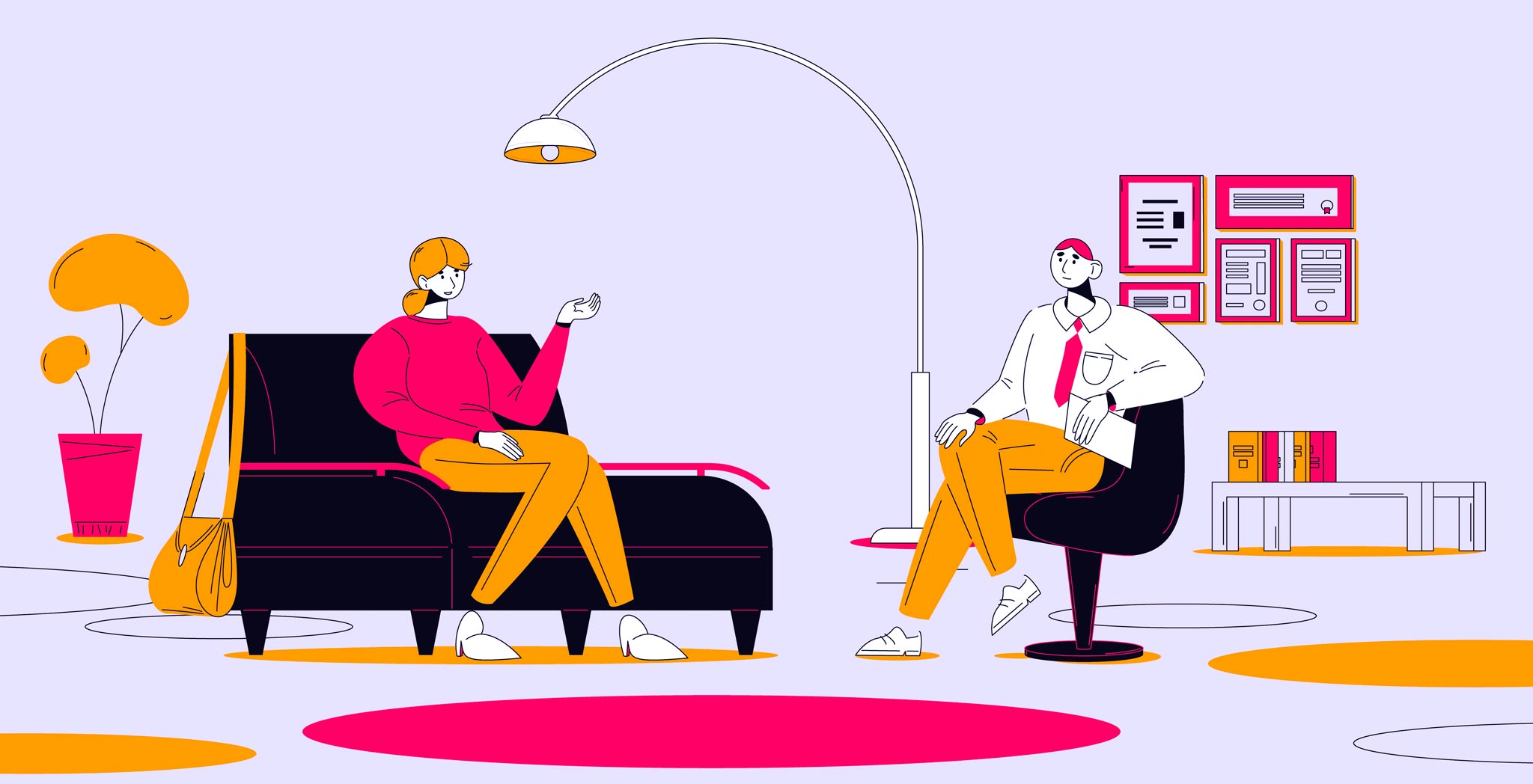
You might feel stuck, overwhelmed, or uncertain if counselling can actually help — and the short answer is: counselling can reduce depressive symptoms and give you practical tools to start feeling better. Counselling helps you understand patterns that keep you stuck, learn skills to manage mood and behavior, and create a plan with a trained professional so you don’t have to navigate this alone.
This article will explain how counselling works for depression, what approaches evidence supports, and what benefits you can expect so you can make an informed choice about seeking help. Keep reading to learn which types of therapy fit different needs and what to look for when choosing a counsellor.
Understanding Counselling for Depression
Counselling helps you identify what’s contributing to your low mood, teaches practical skills to change thoughts and behaviors, and connects you with a trained professional who monitors progress and safety. You’ll learn evidence-based methods, get a tailored plan, and work on measurable goals to reduce symptoms and improve daily functioning.
What Is Counselling for Depression
Counselling for depression is a structured, time-limited or ongoing process where a licensed therapist works with you to reduce symptoms and improve functioning. Sessions typically focus on your current mood, thought patterns, behavior, relationships, and coping skills.
Therapists use assessment tools and clinical interviews to set specific goals, such as reducing frequency of negative automatic thoughts or increasing activity levels.
You can expect talking strategies, homework between sessions, and regular reviews of progress. Counselling can be individual, group-based, or combined with medication when needed.
Confidentiality and safety planning are standard parts of care, especially when suicidal thoughts or severe impairment are present.
Types of Counselling Approaches
Common, evidence-based approaches include Cognitive Behavioral Therapy (CBT), Interpersonal Therapy (IPT), and Mindfulness-Based Cognitive Therapy (MBCT).
- CBT: Focuses on identifying and changing unhelpful thoughts and behaviors. You practice behavioral activation and cognitive restructuring.
- IPT: Targets relationship issues and role transitions that maintain depressive symptoms. Typical course is 12–16 sessions.
- MBCT: Combines mindfulness practice with cognitive techniques to prevent relapse, often after repeated episodes.
Other options include Dialectical Behavior Therapy (DBT) for emotional regulation and short-term psychodynamic therapy to explore repeating patterns. Your therapist recommends the approach that matches your symptoms, history, and treatment goals.
How Counselling Addresses Depressive Symptoms
Counselling reduces symptoms by teaching specific skills you can use daily. Therapists break down symptoms into actionable targets, such as sleep disruption, social withdrawal, and negative thinking.
You’ll use behavioral activation to increase rewarding activities and improve energy. You’ll learn cognitive techniques to spot and challenge distortions like “I am worthless.”
Therapists also teach problem-solving, stress management, and emotion regulation skills to handle triggers. Progress is tracked with symptom scales or goal checklists so you and your therapist can adjust the plan if improvement stalls.
Benefits and Effectiveness of Counselling
Counselling can reduce depressive symptoms, teach coping skills, and lower relapse risk. It also helps you understand thought patterns, improve daily functioning, and plan practical steps for recovery.
Evidence-Based Outcomes
Research shows psychotherapy reliably lowers depressive symptoms across age groups and treatment types. Meta-analyses and randomized trials report medium-to-large effect sizes for therapies such as cognitive behavioral therapy (CBT), interpersonal therapy (IPT), and behavioral activation.
You can expect measurable symptom reduction within weeks to months, depending on severity and frequency of sessions. Studies also show therapy reduces the chance of recurrence compared with no treatment, and in some cases matches medication for mild-to-moderate depression.
Key evidence points:
- CBT: consistent strong support for reducing negative thinking and improving activity levels.
- IPT: effective when depression links to relationship or role difficulties.
- Short-term therapies: can produce durable gains comparable to longer approaches for many people.
Short-Term and Long-Term Benefits
Short-term benefits include reduced sadness, fewer intrusive negative thoughts, and improved sleep and concentration. You often gain concrete tools—like behavioral experiments or thought records—that you can apply immediately.
Long-term benefits include lower relapse rates and improved resilience to future stressors. Therapies that teach skills (e.g., CBT, behavioral activation) help you maintain progress after sessions end. Some studies show lasting symptom reduction months to years after treatment, especially when you continue using learned strategies.
Practical gains you may notice:
- Better problem-solving and decision-making.
- Improved relationships and social functioning.
- Increased ability to return to work or daily routines.
Factors That Influence Success
Therapy outcome depends on treatment type, therapist skill, session frequency, and your engagement. Matching therapy to your needs—CBT for distorted thinking, IPT for interpersonal issues—increases effectiveness.
Other influential factors:
- Therapeutic alliance: a strong working relationship with your therapist predicts better outcomes.
- Severity and duration: more severe or chronic depression may require combined approaches (therapy + medication).
- Comorbid conditions: anxiety, substance use, or medical problems can slow progress and need integrated care.
- Practical barriers: access, cost, and session consistency affect results.
You should discuss goals, treatment options, and progress regularly with your therapist to optimize results.
About the Author