You can stop worrying about musty smells, ruined belongings, and unseen structural damage—effective basement waterproof turns those risks into manageable problems. A combination of proper drainage, targeted wall and floor repairs, and a reliable sump or dewatering system usually keeps your basement dry and protects your home’s foundation.
This guide Basement Waterproofing explains what causes basement water problems, when interior fixes will suffice, and when exterior solutions make more sense. Expect clear, practical steps and the pros and cons of common methods so you can choose the most durable, cost-effective approach for your situation.
Understanding Basement Waterproofing
This section explains what basement waterproofing does, why it matters for your home, and the specific water problems you’re likely to face. It focuses on practical causes, effects, and the main techniques used to protect walls, floors, and your home’s structure.
What Is Basement Waterproofing?
Basement waterproofing prevents groundwater and surface water from entering your below-grade spaces. It includes exterior measures (foundation drains, membranes, grading) and interior solutions (sump pumps, interior drain systems, sealants).
Exterior methods stop water before it reaches the foundation. Examples: excavation to install a perimeter drain (French drain), applying a bituminous or polymer membrane, and restoring slope away from the house.
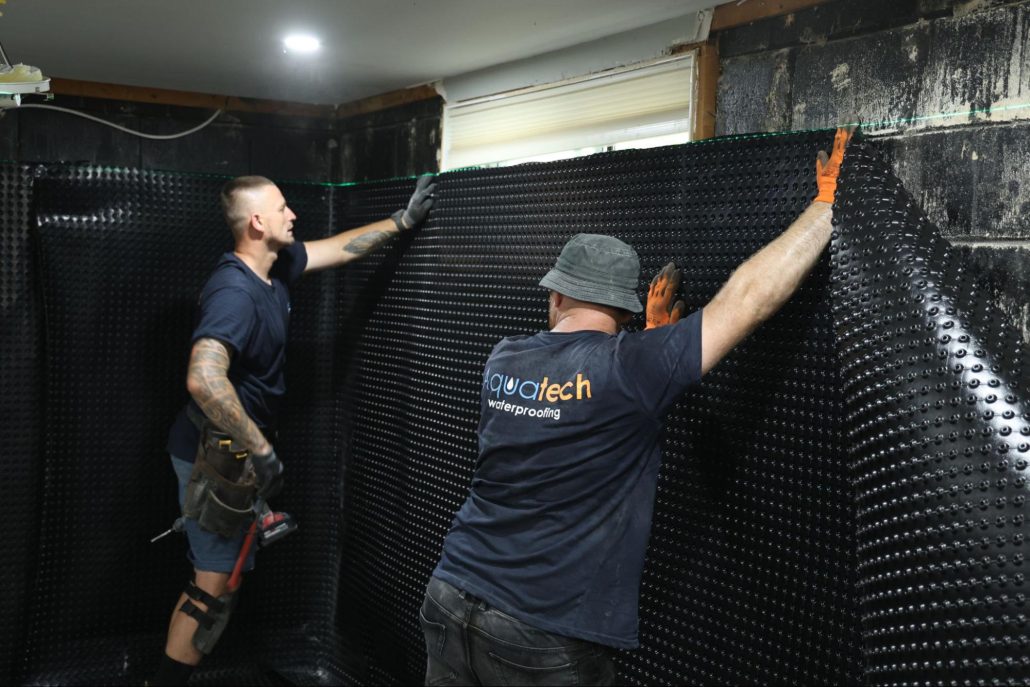
Interior methods manage water that breaches the wall or floor. Examples: channeling water to an interior drain, routing to a sump pit with a pump, and using crystalline or epoxy sealers on minor hairline cracks.
You should choose methods based on soil type, water table level, and the source of leakage. A system for hydrostatic pressure differs from one for surface runoff.
Why Waterproofing Is Essential
Water intrusion damages framing, drywall, and finishes and encourages mold growth that affects air quality. Even small, repeated seepage raises humidity, corrodes metal, and softens wood, increasing repair costs over time.
Water can also compromise foundation integrity. Persistent hydrostatic pressure can lead to wall bowing, stair-step cracks in masonry, and uneven settling.
Waterproofing protects finished basements you plan to use as living space or storage. It preserves property value, reduces energy costs by lowering dampness, and prevents insurance and resale complications tied to prior water damage.
Budget waterproofing to match the severity of risk: inexpensive sealants suit minor issues; full exterior drainage and membrane systems suit high groundwater or active leaks.
Common Basement Water Issues
Surface runoff: Poor grading, clogged gutters, or downspouts that dump near the foundation cause water to pool against walls. You’ll notice seasonal wet spots after storms and staining on exterior siding near the foundation line.
Hydrostatic pressure: High water tables push water through joints, cracks, and porous concrete. Signs include damp floors, a continuous seep at the base of walls, and efflorescence (white mineral deposits).
Cracks and faulty joints: Settling, freeze-thaw cycles, and poor construction create cracks where water enters. Hairline cracks may only leak during heavy rain; larger cracks cause persistent streams or drips.
Plumbing leaks and condensation: Internal sources like burst pipes, high-humidity condensation on cold surfaces, and appliance drains can mimic foundation leaks. Track moisture patterns: dripping near plumbing fixtures indicates internal causes, while perimeter dampness points outward.
Common indicators to inspect: musty odors, peeling paint, discoloration, rust on appliances, and warped baseboards. Use these clues to narrow down whether you need surface drainage fixes, crack repair, internal drainage, or a sump system.
Methods and Best Practices
You’ll focus on stopping water at the wall or soil line, redirecting groundwater away from the foundation, and fixing structural faults that let water in. Practical steps include sealants, drainage systems, sump pumps, and targeted foundation repairs.
Interior Waterproofing Techniques
Interior waterproofing controls water that breaches the exterior by channeling it to a sump or out of the space. Common steps include installing an interior perimeter drain (also called a French drain or drain tile) against the footing, connecting that drain to a sump pit and pump, and sealing visible wall cracks with hydraulic cement or epoxy injections.
Use waterproof coatings or masonry sealers on concrete walls to slow moisture migration; these are not effective against active leaks but help reduce vapor and minor seepage. Add a dehumidifier and insulated vapor barrier on walls and floors to control humidity and protect finishes. Ensure the sump pump has a battery backup and float switch to work during power outages.
Exterior Waterproofing Solutions
Exterior waterproofing prevents water from reaching the foundation by creating a continuous barrier on the outside of the wall. Typical work involves excavating to the footing, cleaning the foundation wall, applying a waterproof membrane or liquid-applied membrane, and installing rigid insulation if needed.
Combine the membrane with exterior drainage: a perimeter drain (pipe surrounded by gravel), a proper slope away from the house (minimum 6 inches drop over 10 feet), and repaired or extended downspouts discharging at least 6 feet from the foundation. In heavy clay soils or high water tables, add a retaining or sub-surface drainage system and consider a professional for full excavation work.
Foundation Repair Options
Foundation issues often cause recurring basement leaks and require targeted repair. For hairline or non-structural cracks, use epoxy or polyurethane injections to seal and restore impermeability. For settlement-related or wide cracks, install support systems such as helical piers or push piers to stabilize and lift the foundation.
Bowed or buckling walls may need interior wall anchors, carbon-fiber reinforcement, or full exterior excavation and rebuilding depending on severity. Always assess drainage and soil conditions before expensive repairs; addressing poor grading, clogged gutters, or saturated soils can prevent further movement. Get a structural engineer’s opinion for significant settlement, large cracks, or shifting.
Maintaining a Dry Basement
Routine maintenance prevents most basement water problems and extends the life of waterproofing systems. Regularly clear gutters and downspouts, verify downspouts discharge away from the foundation, and maintain exterior grade so water flows away from the house.
Test sump pumps monthly and inspect backup power. Check interior drains for clogs and reseal any new or expanding wall cracks promptly. Monitor indoor humidity with a hygrometer and run a dehumidifier when levels exceed 50% RH to limit mold growth and protect finishes.
About the Author